The Problem
Most photographers are uncomfortable with silence.
So they fill it. Another prompt, another location, another pose — keep it moving, keep it clean, check the list. And the session looks fine. But it never quite feels like them.
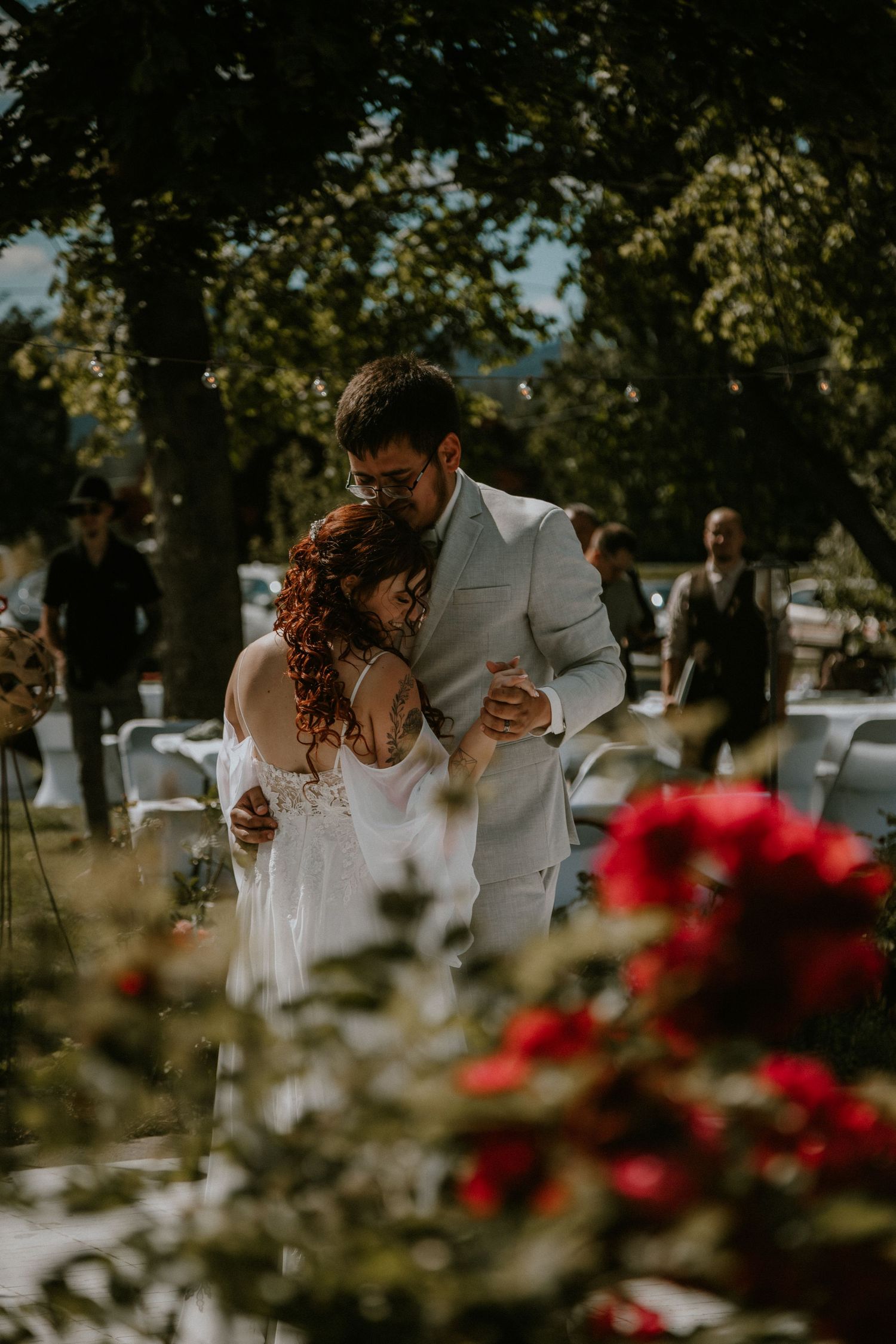
Here's what I've learned: the best images don't happen during the prompt. They happen after it. In the exhale. In the walk to the next spot. In the moment they forget I'm there.
The problem isn't posing itself. It's the mindset behind it — that your job is to direct rather than facilitate. That the session is yours to run instead of theirs to live.
It isn't about you. It never was.
Safe. Unhurried. Unselfconscious.
Everything else follows from that.
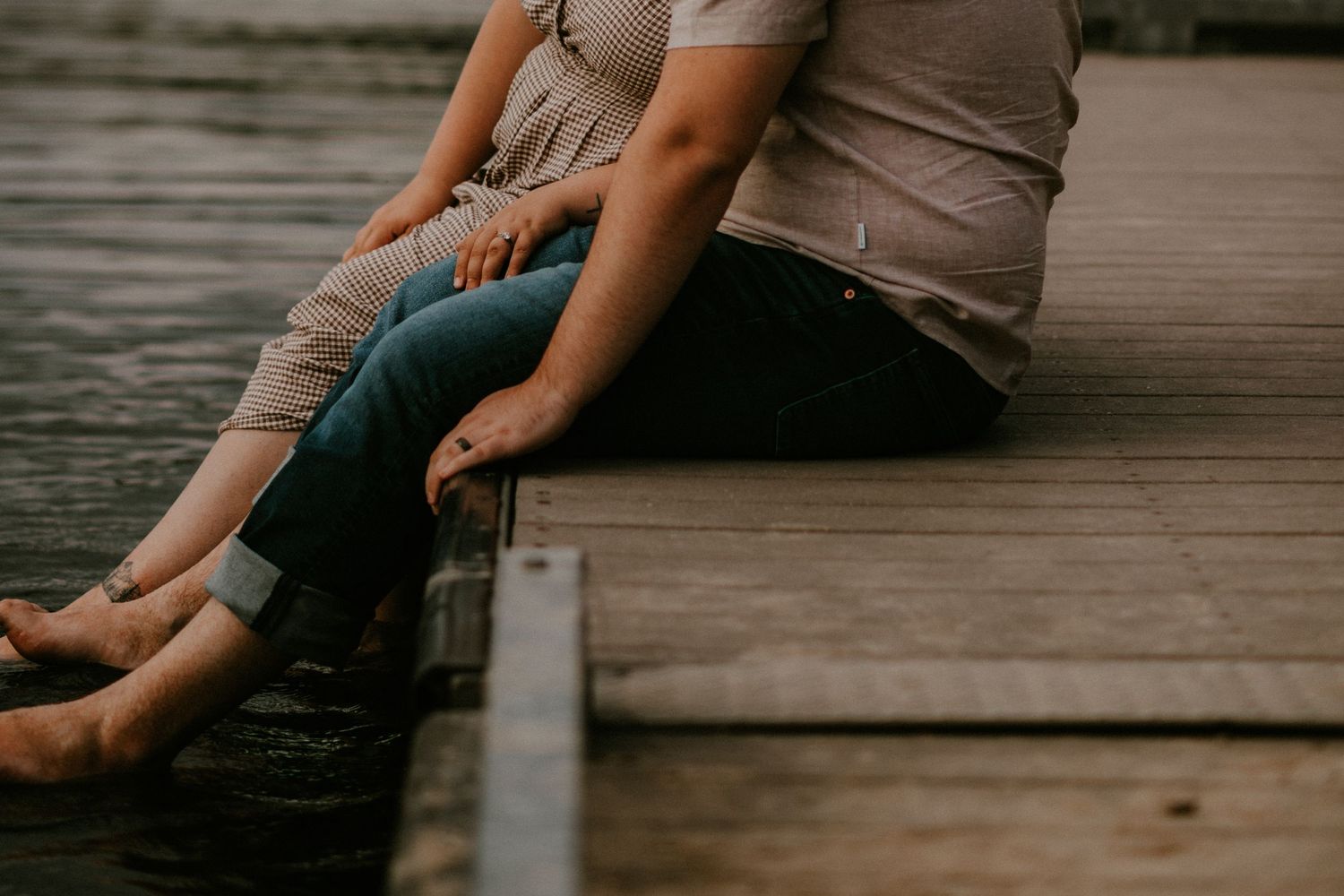
The Shift
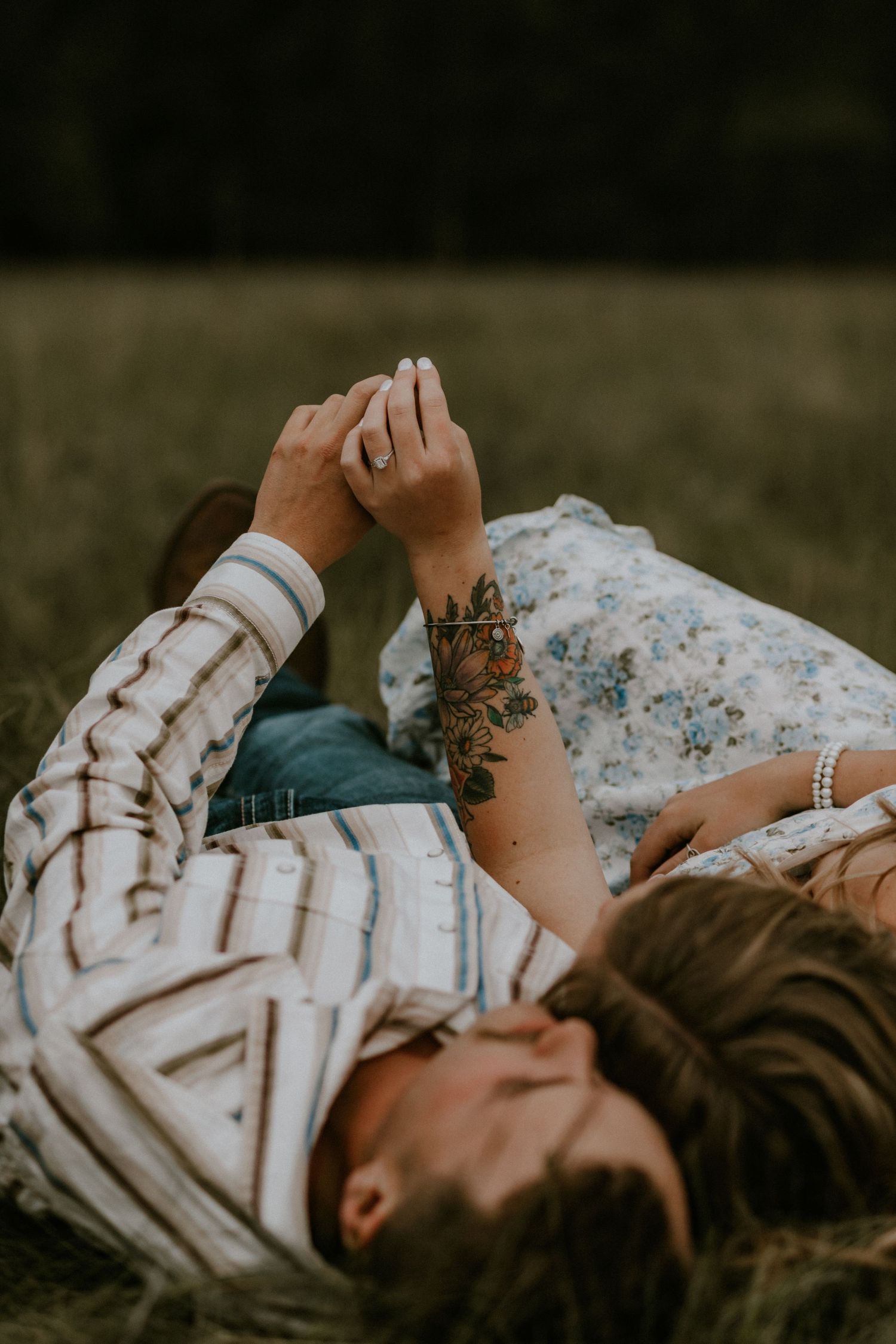
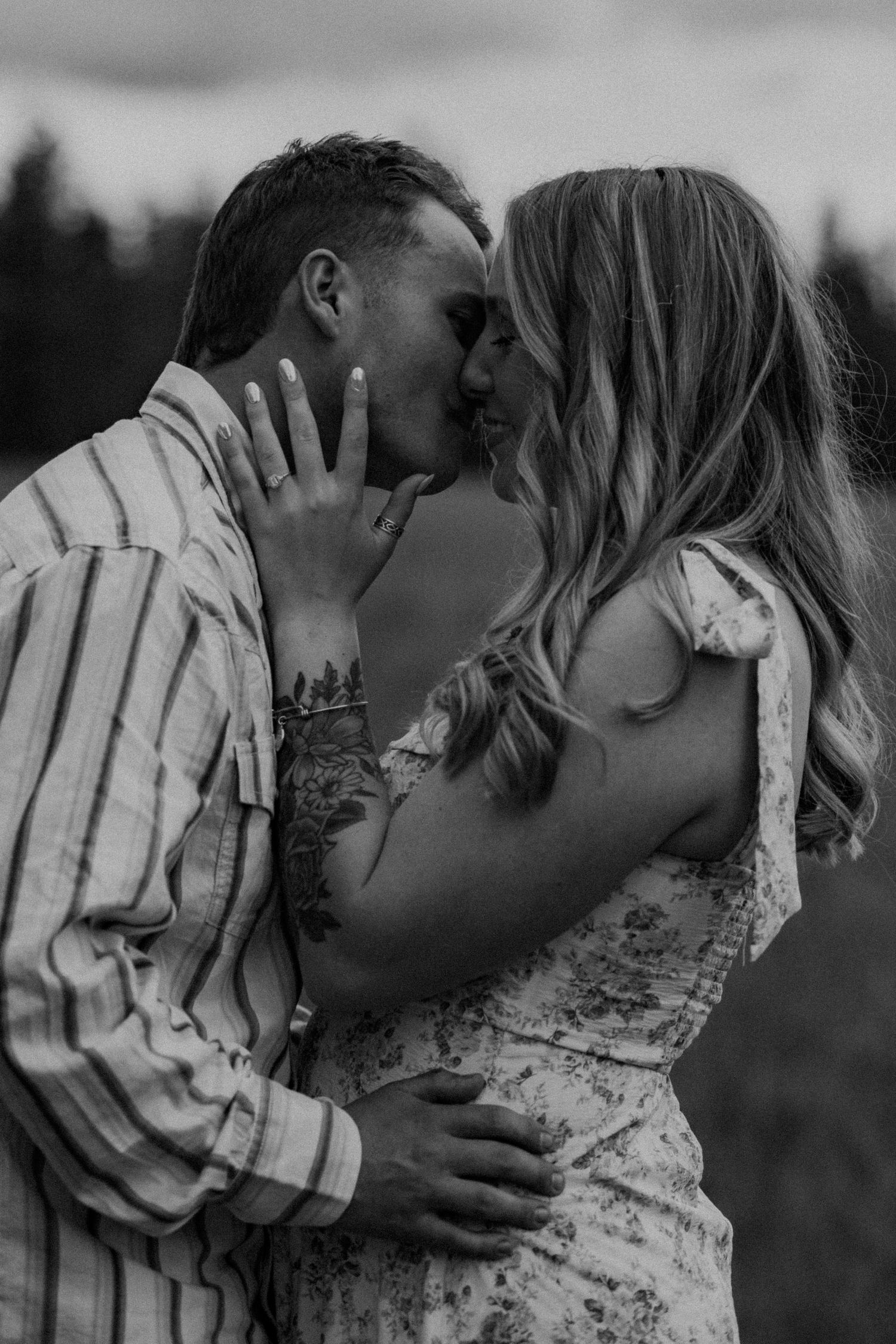
I've always hated being in front of a camera.
The racing thoughts. The stiff smile. The performance of trying to look natural while someone watches. I never felt like myself — and the images always showed it.
That feeling changed everything about how I shoot.
Prompts over poses. Story over performance. Presence over perfection.
A pose gives you something pretty. A prompt opens a door — and what walks through it is entirely theirs. You're not choreographing their connection. You're creating the conditions where it can breathe.
Before you pick up your camera — slow down.
Not for them. For you. Because they will match your energy before they ever match your prompts.
The biggest mistake I see is skipping the setup. Jumping straight into shooting without ever telling people what to expect — or more importantly, what not to worry about. People show up already performing. Already bracing for the awkward.
So I get ahead of it.
Before anything, I tell them: "there is no right way to do what I'm going to ask you to do. If something feels uncomfortable, push back. If you don't know what you're supposed to be doing — come back to connection. Look at each other. Hold each other. That's always enough."
Then I get out of the way.
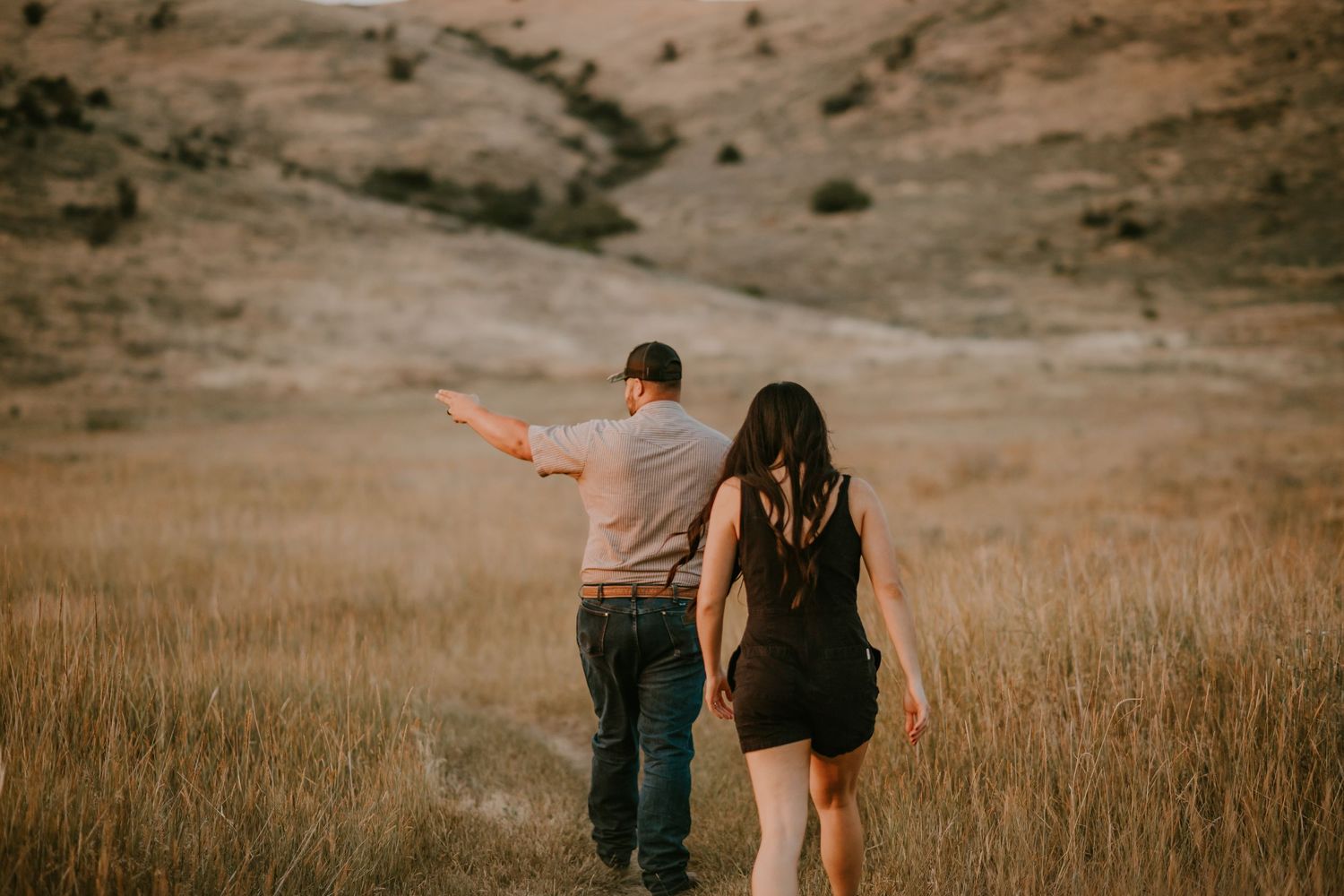
Sometimes that looks like sending them on a walk while I pretend to adjust my gear. Sometimes it's letting the silence sit a little longer than feels comfortable. The guard comes down in those in-between moments — when they forget I'm watching. That's when I'm paying the most attention.
A session shouldn't feel rushed. But it shouldn't feel wasted either.
That's the environment you're creating. Everything you say and do in the first few minutes either builds that or breaks it.
Safety is the first step to natural. Natural is the first step to true.
WHAT YOU'RE ACTUALLY CHASING
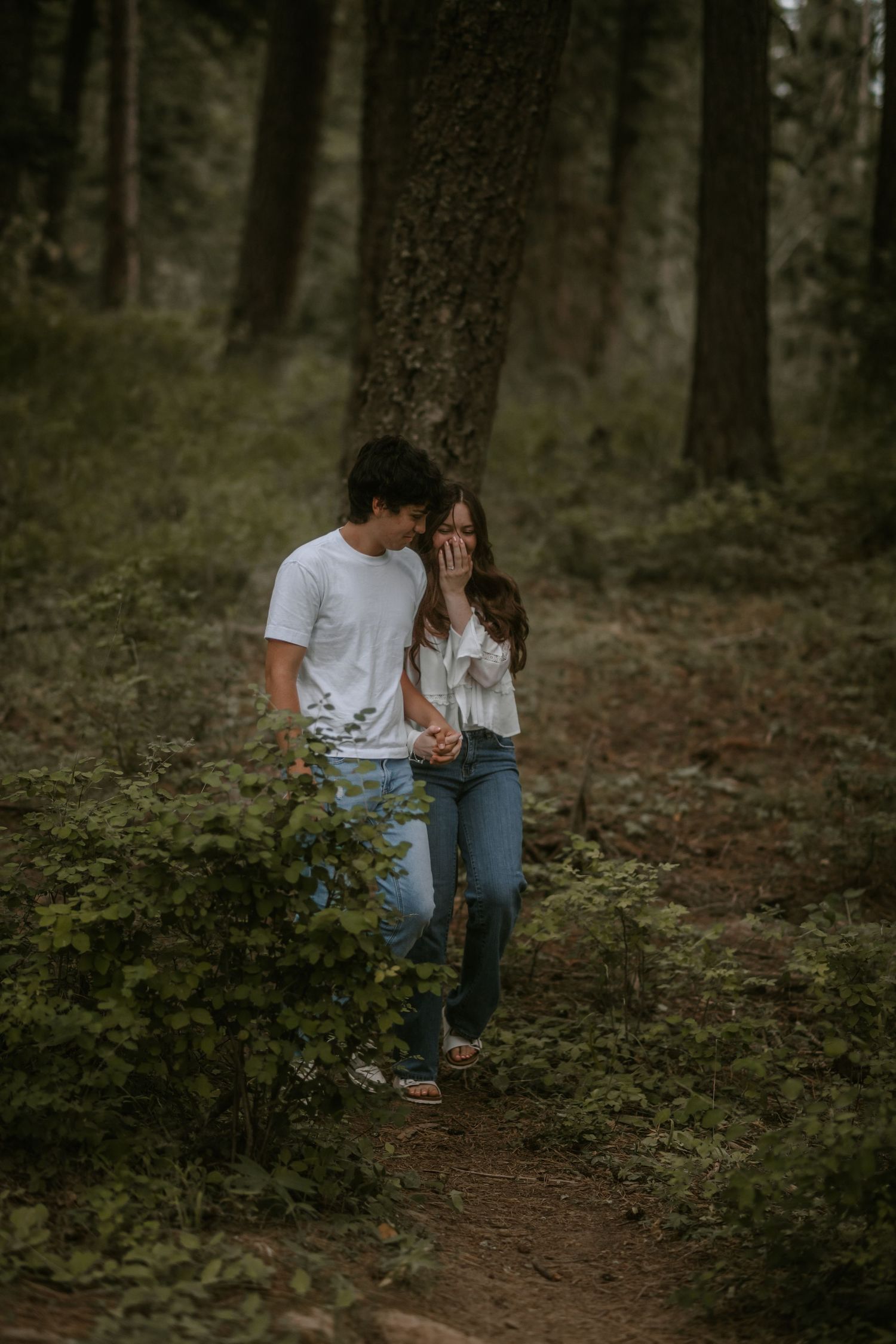
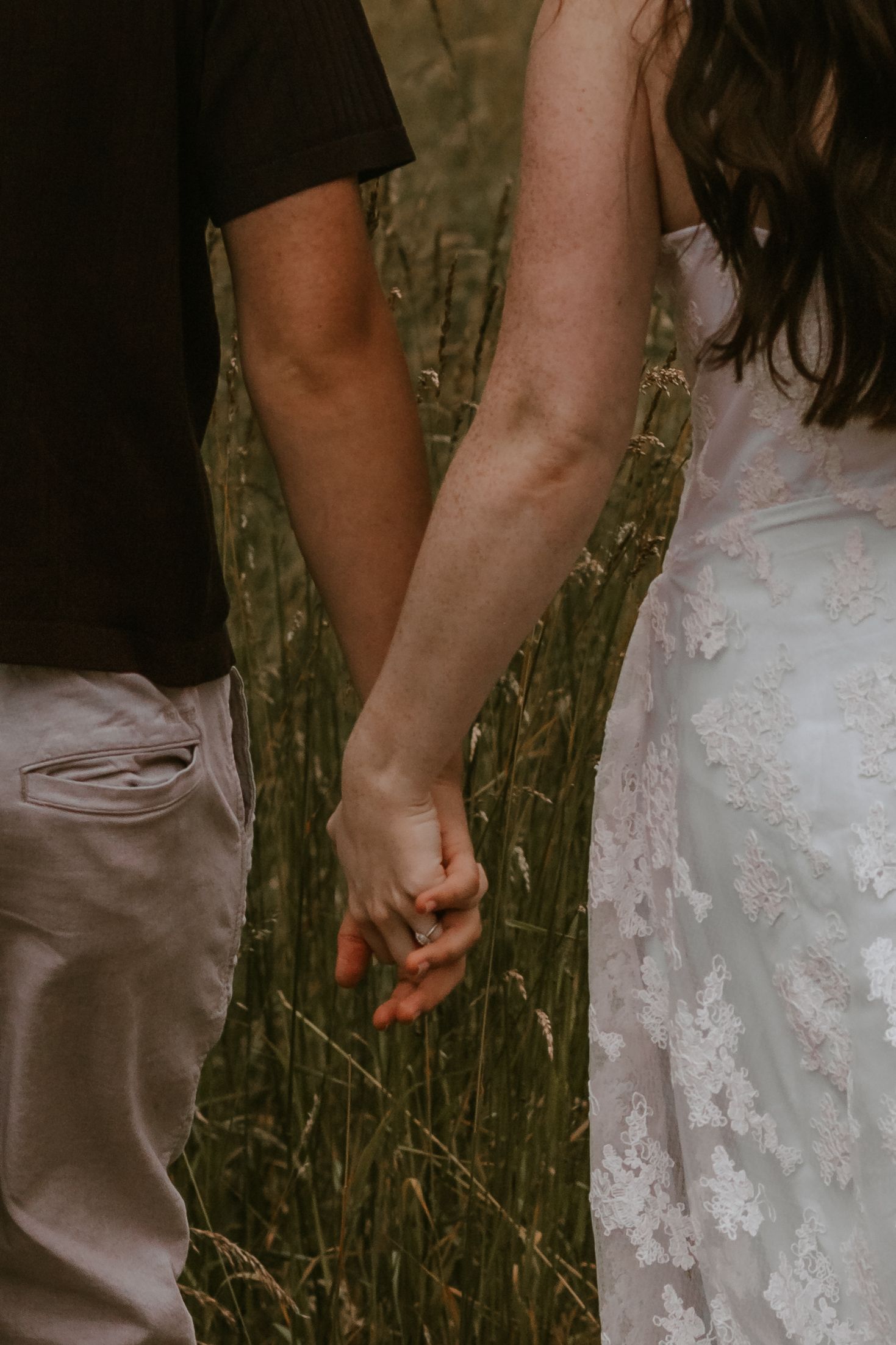
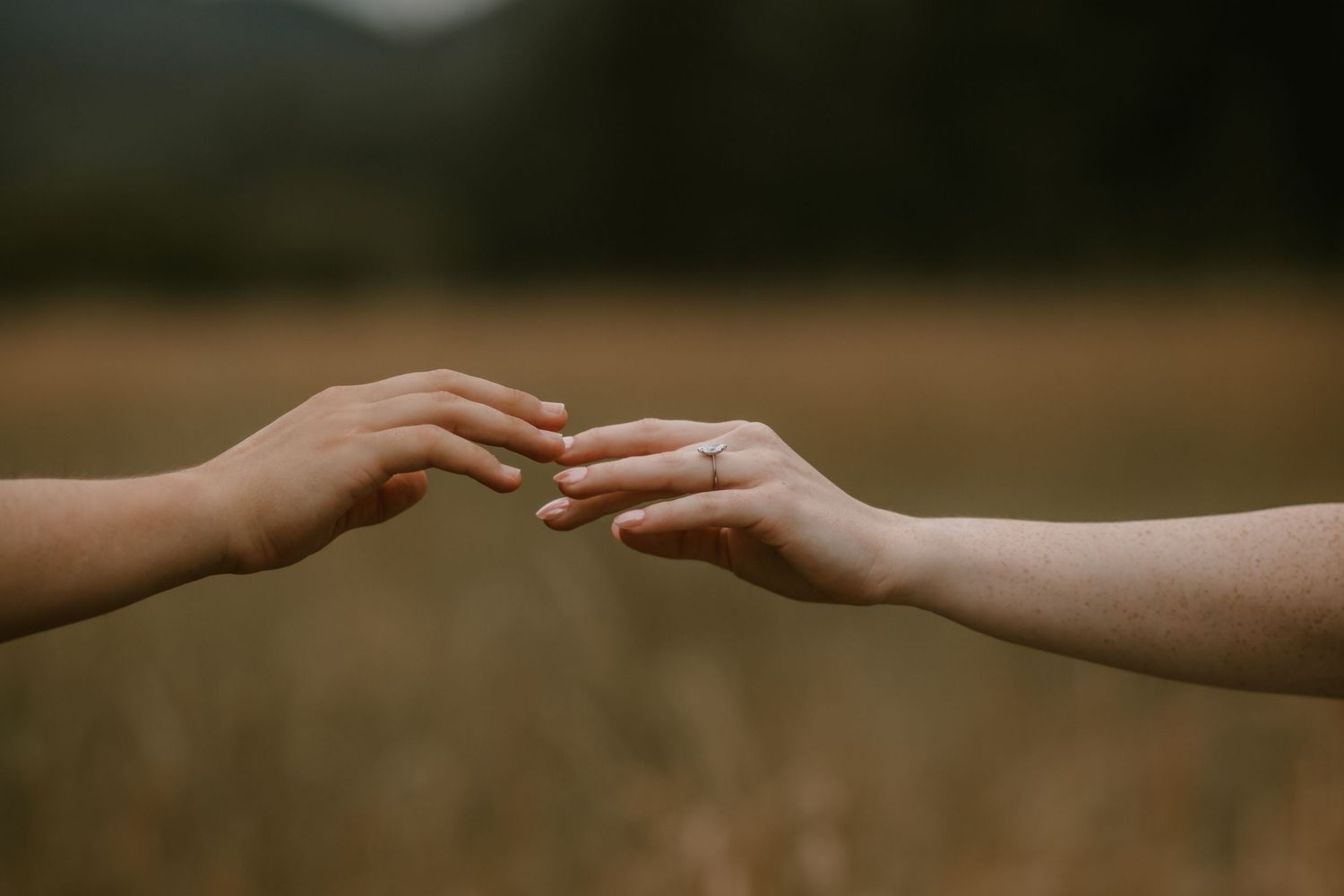
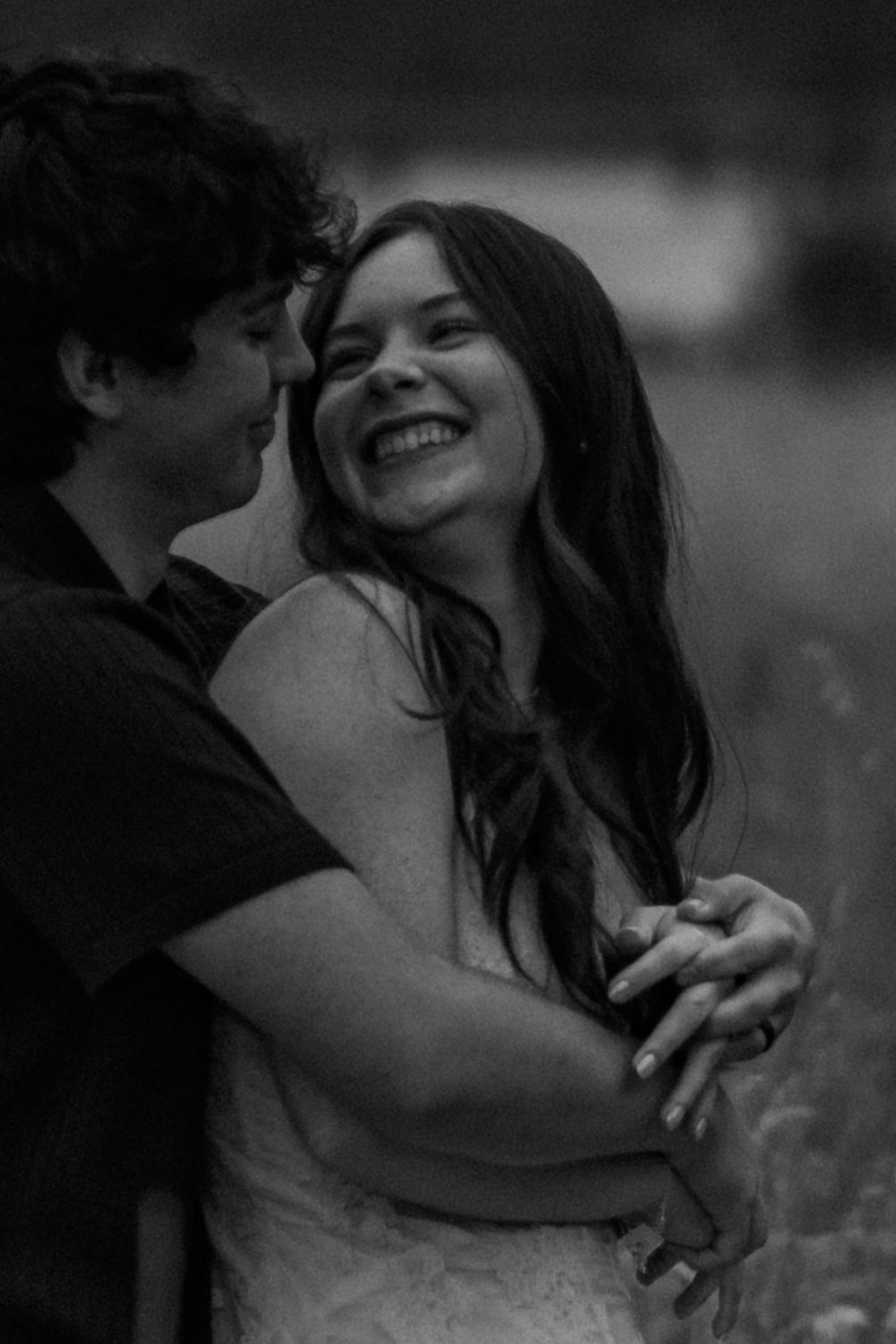
A pose looks pretty, but flat. A moment feels like something & gives depth.
You want to pursue the feeling. And once you can feel it, you can't unsee it.
A moment is the connection between two people that evokes emotion — joy, tenderness, something goofy, something quiet. It doesn't have to be grand. It rarely is. It's the small kiss between prompts. The glance that lasts a half second too long. The way he touches her arm without thinking.
That's what you're training yourself to look for, to notice.
Most photographers walk right past it — not because they don't care, but because they're already thinking about the next prompt. The next location. The next setup.
Slow down.
Change your perspective. Get closer than feels comfortable. Zoom into their hands. Look for the tiny ways they choose each other — the gestures that are so natural they don't even notice them anymore.
That's the image you're waiting for. The moment you stop looking for the shot is usually when it finds you.
a good rule of thumb: "the first shot is for the client, the second is for the media, & the third is for the story."
-unknown
Most photographers stop once they feel they got their shot for social media, their blog, their portfolio. But I want you to take it step further & wait it out. Wait for the exhale after they think they have "accomplished" the task, whether through the prompt, the setup or the pose.
The Prompt List
A prompt only works if you know what you're looking for.
It's easy to give the direction and check the box. Harder to stay present for what actually happens. Before you read this list — know that the prompt is never the point. The emotions, reactions, and the unique way they respond to it — that's what you're after.
Deliver it simply. Mean it. Then get quiet and watch.
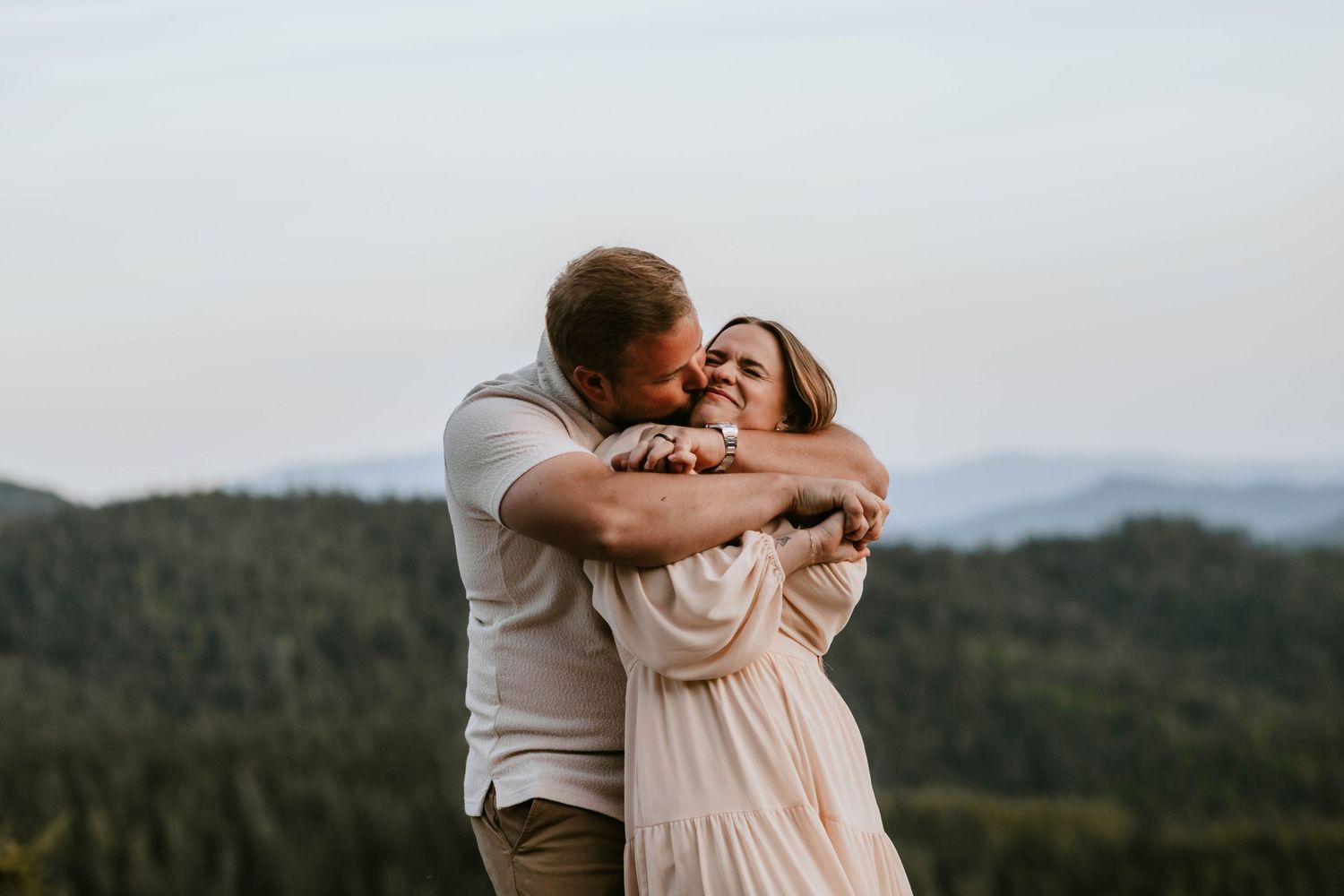
COUPLES
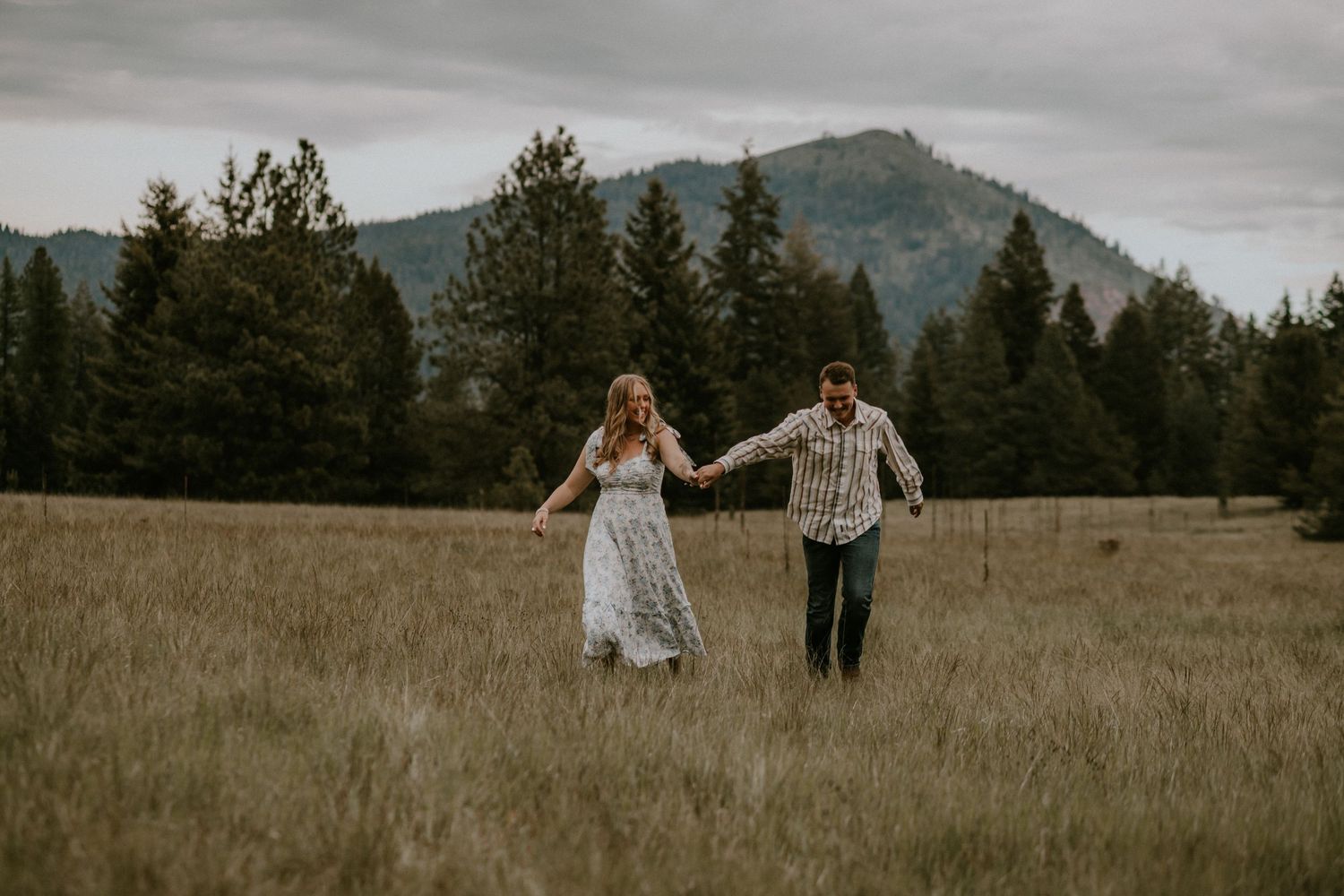
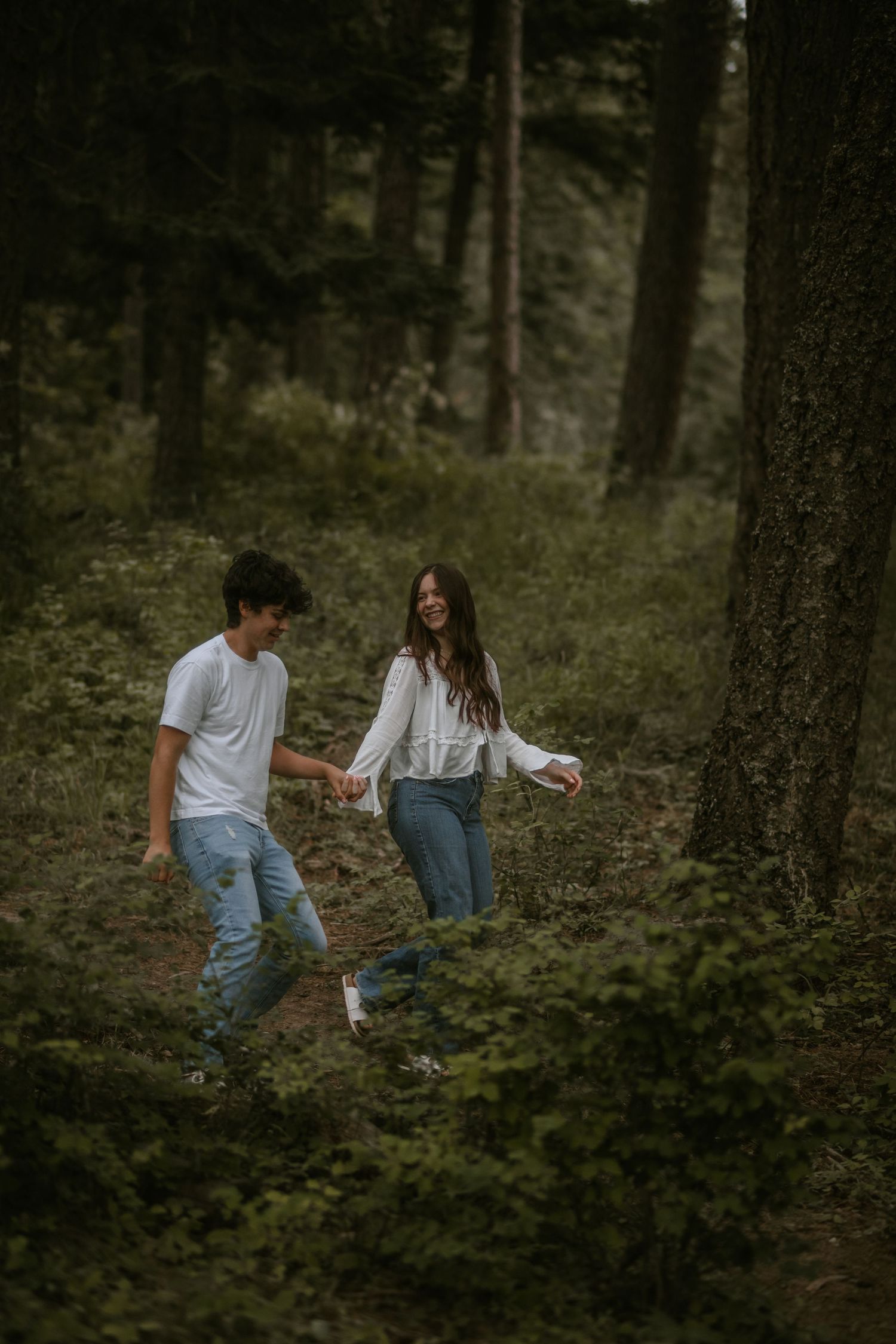
"Pull them close mid-walk — don't stop moving."
→ You're not looking for the embrace. You're looking for the laugh, the stumble, the way they recover together.
"Whisper something to them."
→ Watch their face. Not their lips.
"Show me your real hug — not a photo hug."
→ Feel the difference when it lands. That exhale is your image.
"Tell them one thing you haven't said today."
→ Don't shoot during. Shoot after.
"One of you close your eyes — the other just watches."
→ The one watching always gives you the image. Stay on their face.
"Hold their face like you're memorizing it."
→ You're not shooting the hands. You're shooting what happens in their eyes.
"Tell them what they look like to you right now."
→ Watch them receive it.
"Walk past me — but get distracted by each other."
→ Don't direct what comes next.
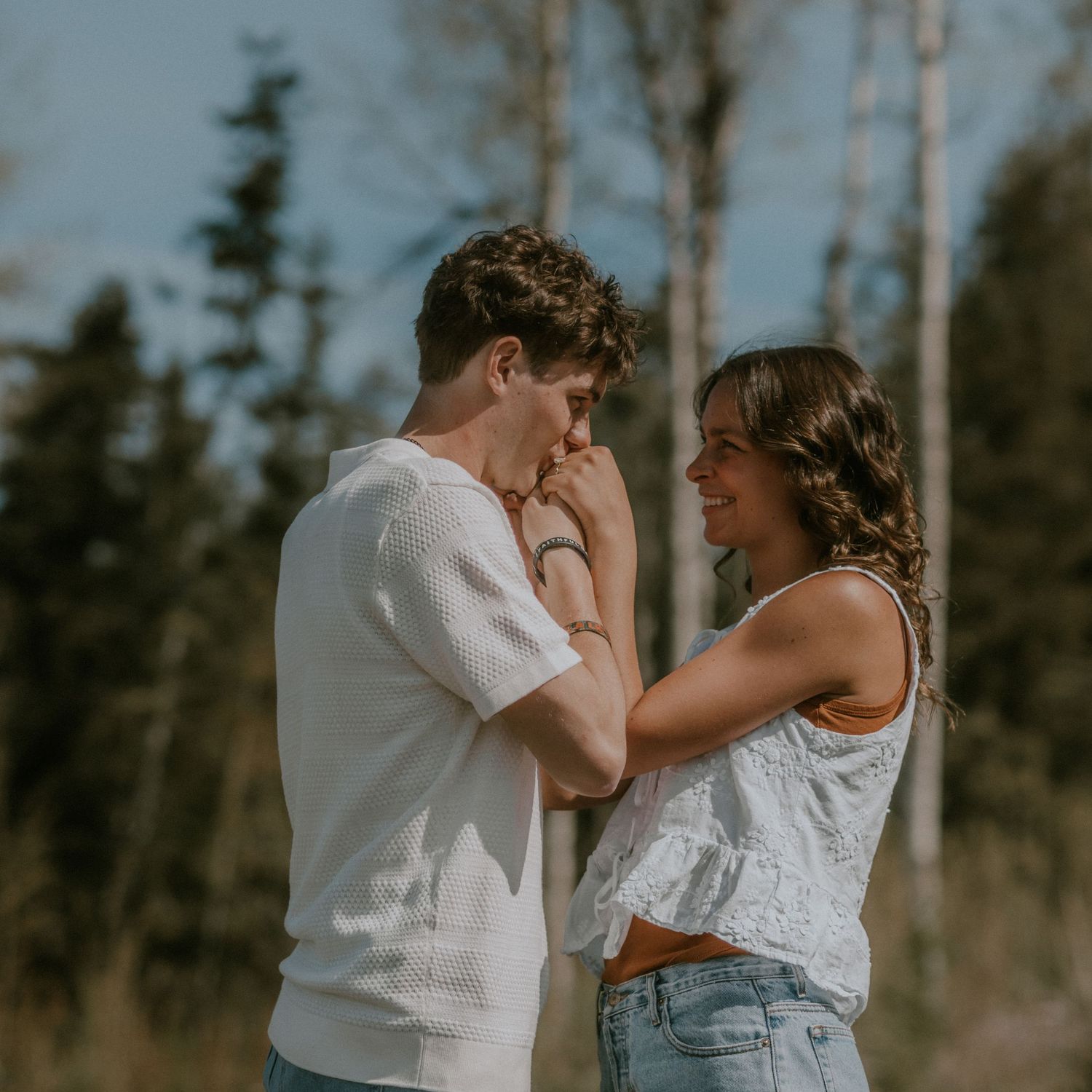
Engagements
"Pull them in by the jacket — like you've been waiting to all day."
→ Watch the face, not the hands.
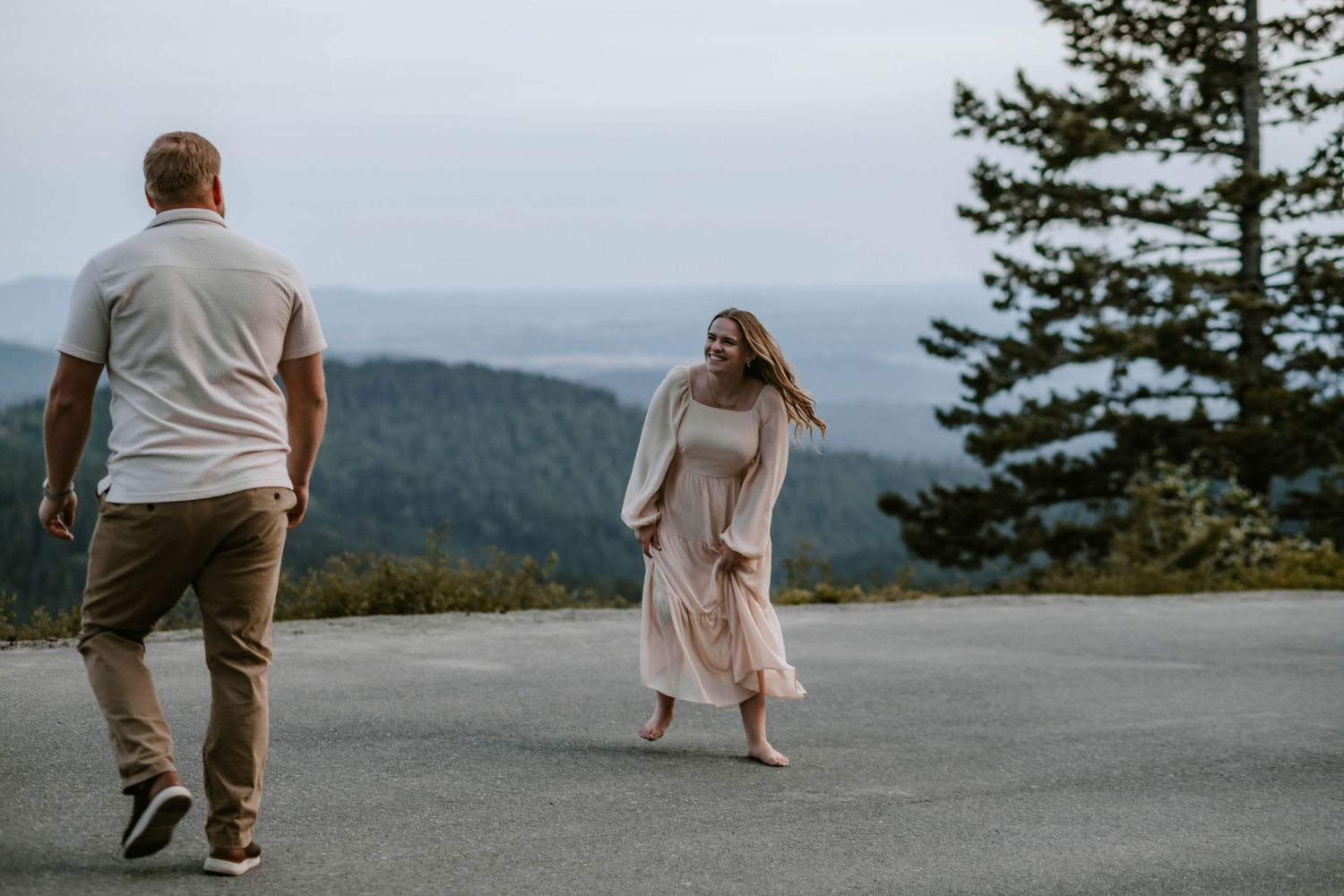
"Walk together — but one of you keeps trying to leave, and the other won't let them."
→ Stay on the laughter before it happens.
"Whisper something you think would make them laugh — but don't."
→ Shoot the moment it breaks.
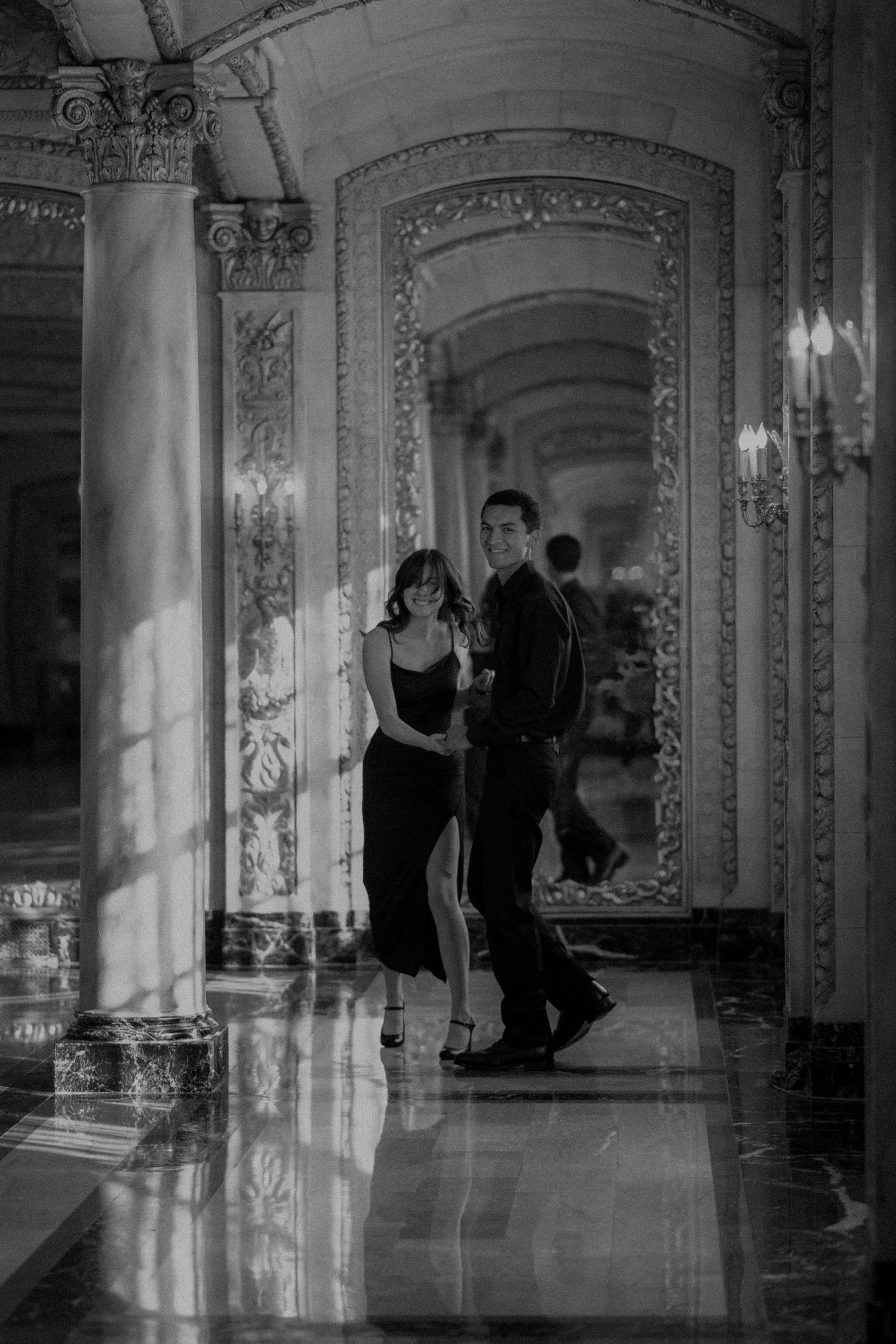
"Dance like nobody's watching and nothing matters."
→ Because right now, neither do.
"One of you is leaving for a long trip tomorrow — this is your goodbye."
→ Raw. Step back completely.
"Hold the ring to the light — look at each other, not me."
→ The ring is a prop. The look is everything.
"One of you can't stop kissing the other — the other tries to carry on a conversation."
→ You're not shooting the kiss. You're shooting the laugh when it breaks.
"Go somewhere on this location that feels like you."
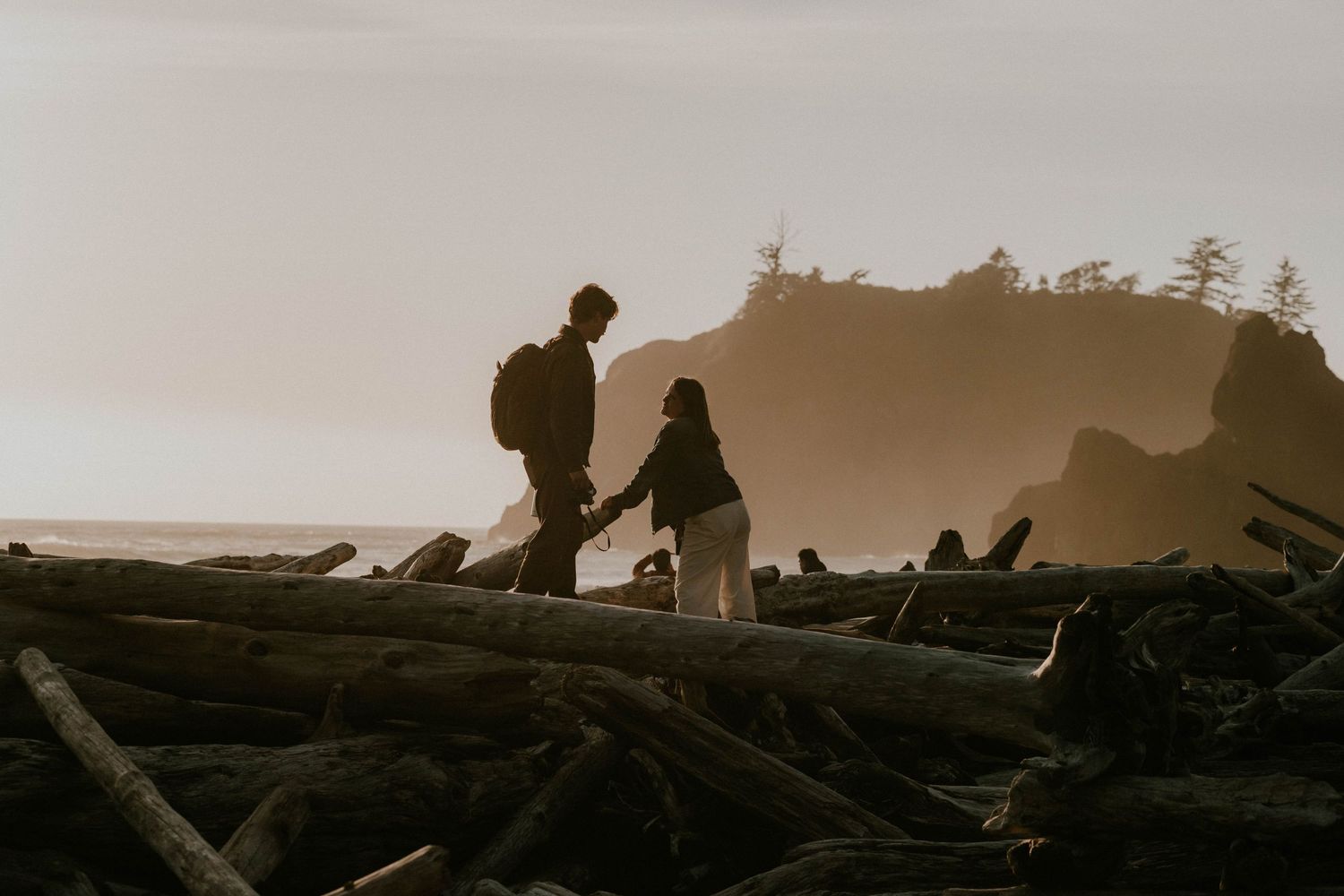
→ Let them lead. Follow quietly.
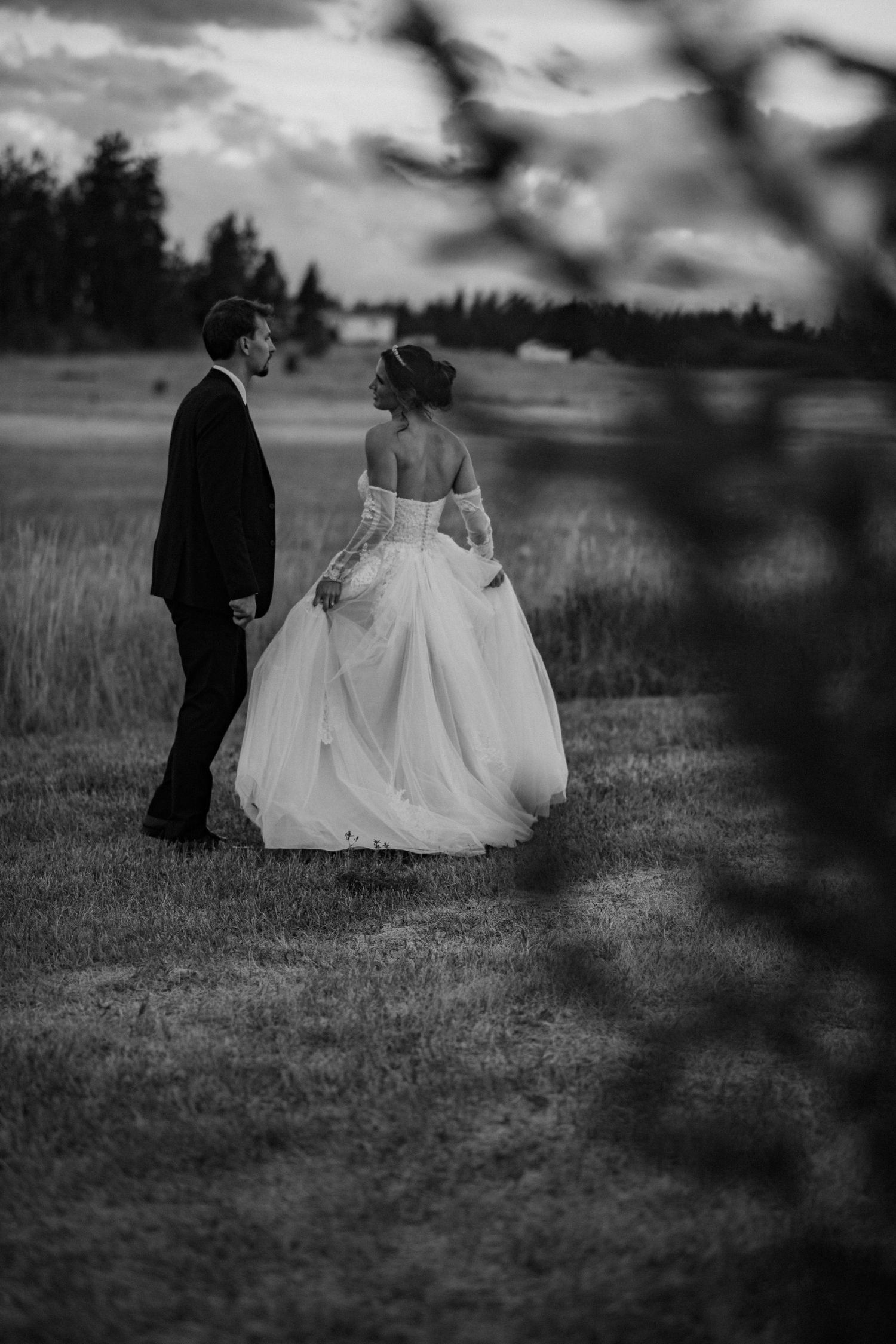
Weddings
"Say the thing you've been thinking all day."
→ Step back. Give them space. Don't shoot for a few seconds — just let it be theirs.
"One of you close your eyes. The other looks at them like they still can't believe they're yours."
→ Watch the jaw soften. The breath slow. The shoulders drop.
"Take thirty seconds — just the two of you. I'm not shooting."
→ Then you are.
"Groom — tell her one thing about today you never want to forget."
→ Don't warn her it's coming.
"Groom — put your hand on her face. Don't say anything."
→ Wait for what she does with the silence.
"Tell them what you were thinking walking down the aisle."
→ Step back. Let it land. Don't shoot for a beat.
"Tell them one thing about today you didn't expect to feel."
→ Don't warn the other one. Shoot the reaction.
"Bride — tuck in. Close your eyes."
→ Watch his face, not hers.
"Hold each other like the day is already over."
→ You're chasing the exhale, not the embrace.
"One of you is leaving tomorrow for a long time — this is your goodbye."
→ Step back completely. This one belongs to them.
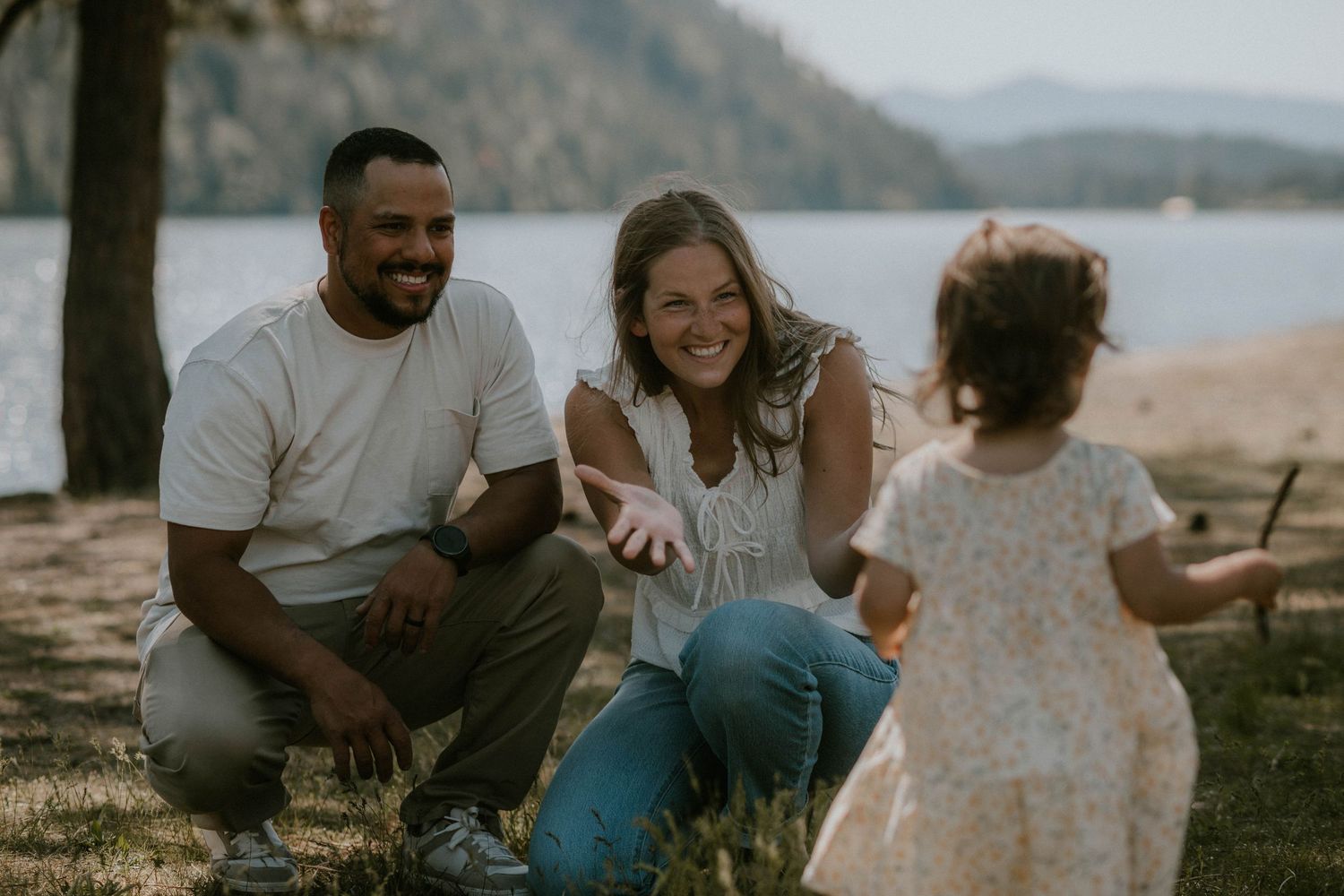
Families
"Kids lead — wherever they go, you follow."
→ Chaos is the point. Stay ready.
"Sit in the grass and just be there for a minute."
→ The stillness always breaks into something real.
"Parents — just watch your kids for a second."
→ The look on their face is the whole session.
"Tell your kid something you love about them."
→ Reactions on both sides.
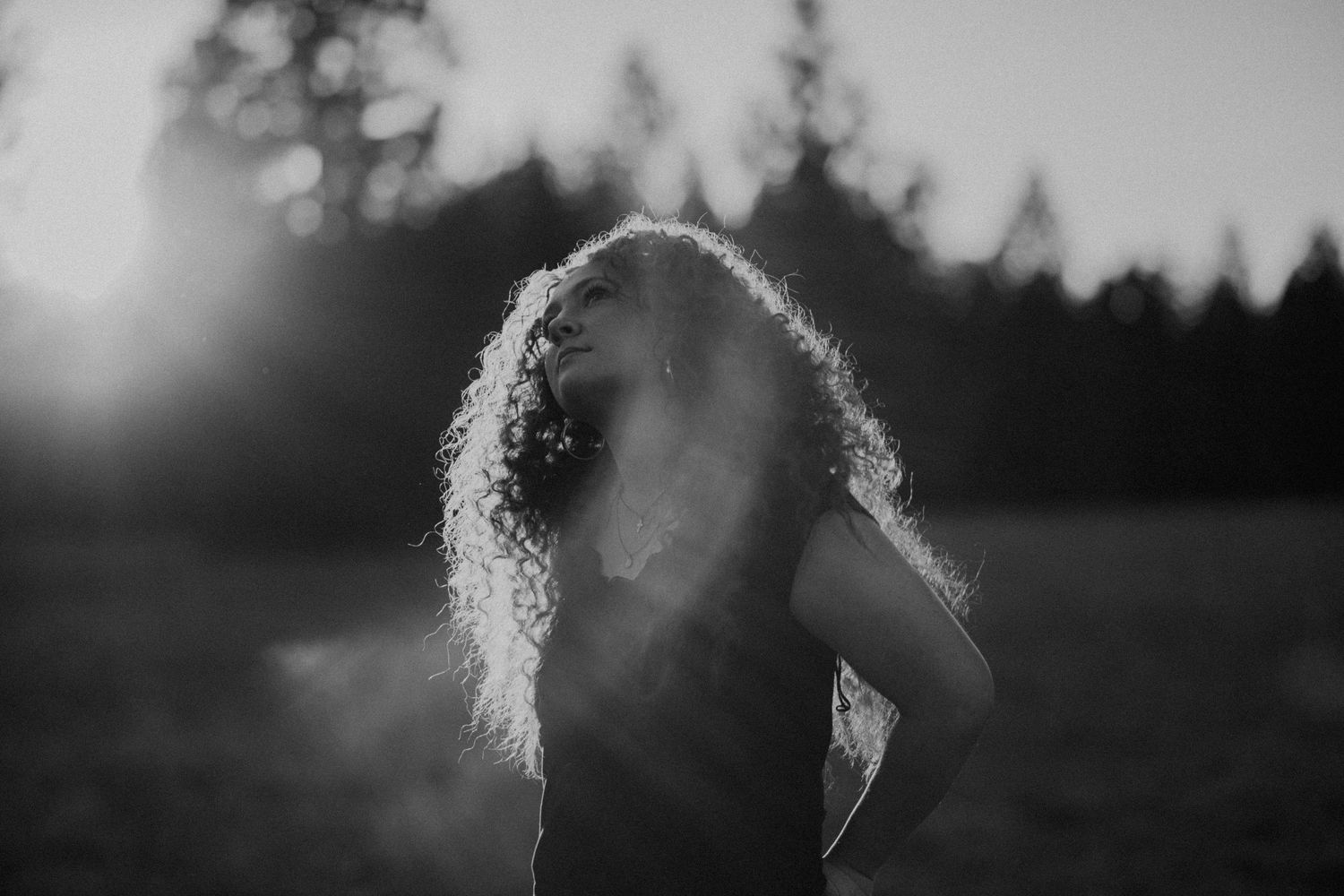
Seniors
"Show me something you actually do — a habit, a gesture, a thing."
→ This is where personality lives. Not in the pose.
"Look down, then slowly up — don't rush it."
→ You're not looking for the look. You're looking for the moment they forget to perform it.
"What do you want to remember about right now?"
→ Let it sit. Don't rush to shoot.
"Look out like you're watching your own life."
→ Distance creates depth. Wait for it.
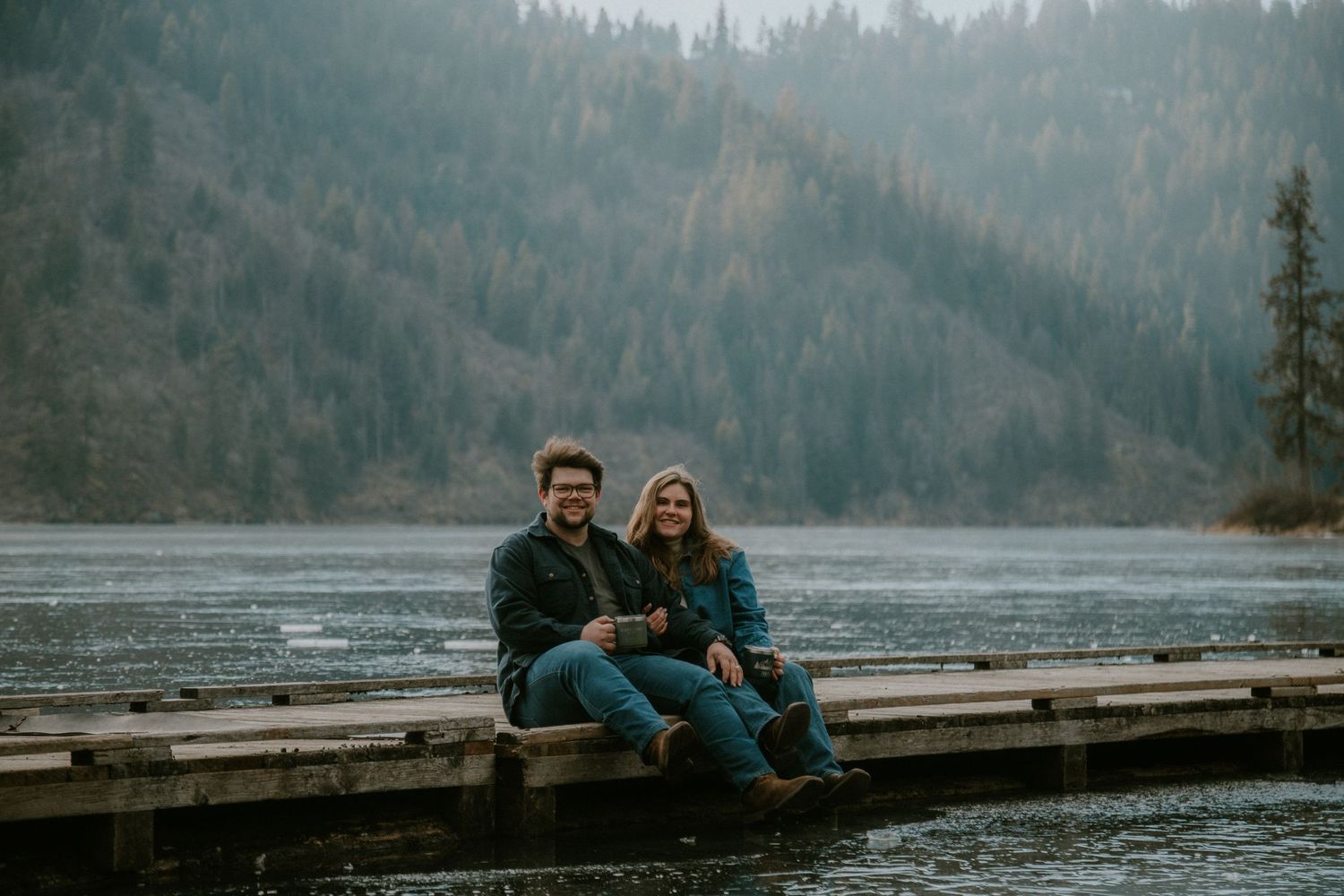
The
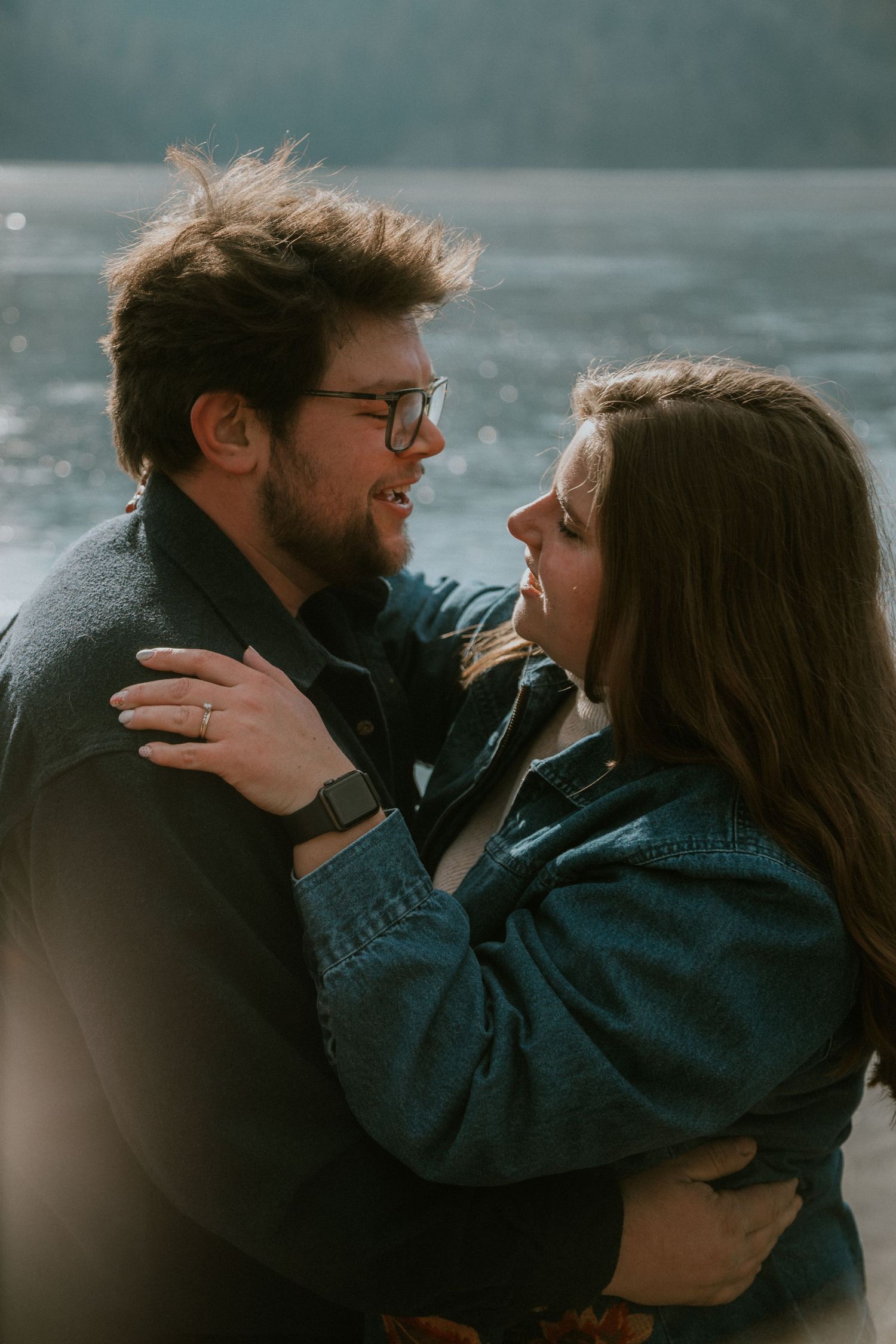
Repeatable
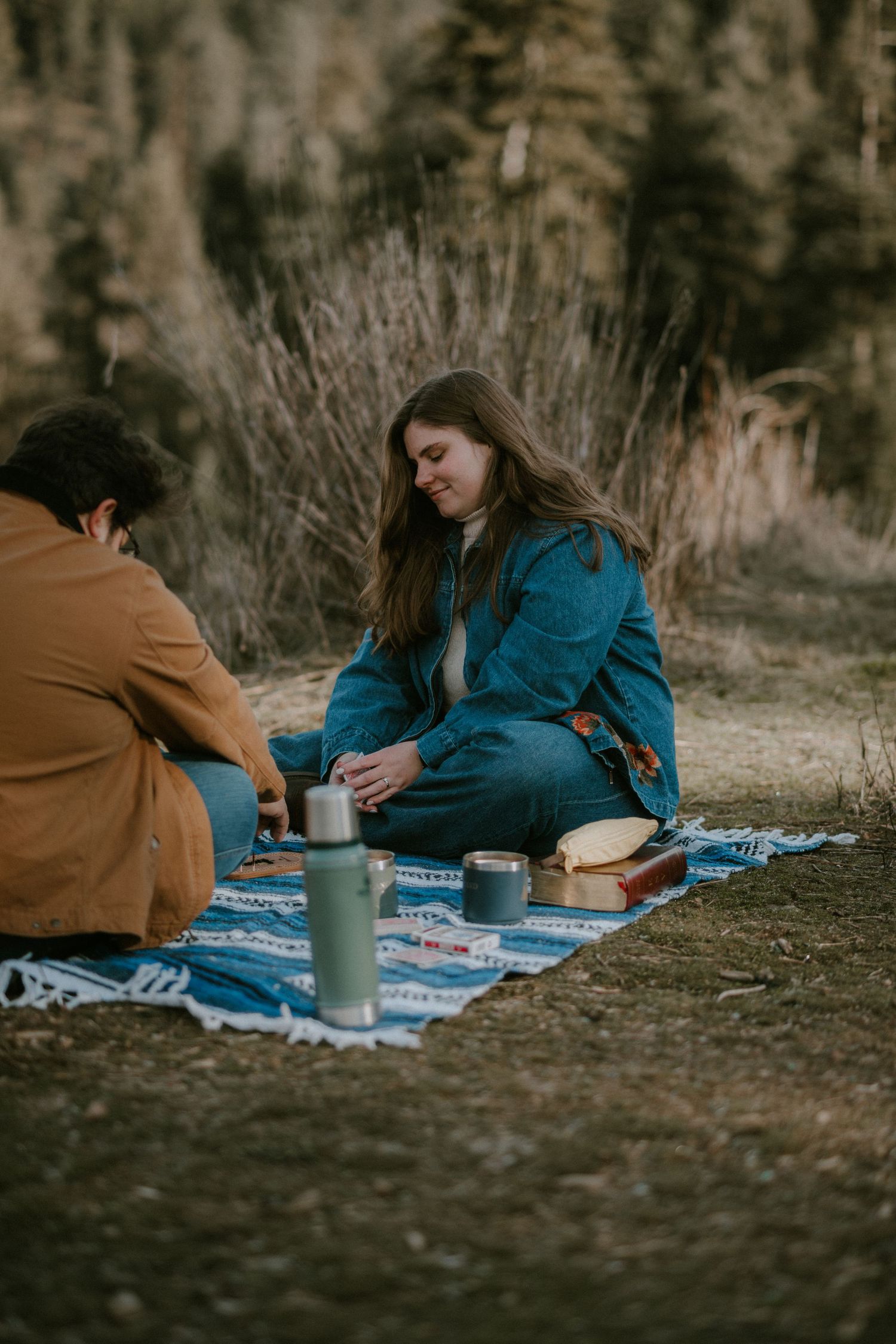
Process
There is no formula. But there is a flow.
Every session I show up to feels different — different energy, different nerves, different dynamic. So before I ever pick up my camera I ask: what do they need right now?
Some couples need to ease in. Close, connected, low movement — let the comfort build before the freedom does. Others need to run at it — chase each other through a field, laugh first, feel something before they think too much.
I let them tell me which one.
From there I follow the energy. I give a prompt. I get quiet. I watch what happens — not during, but after. When they exhale. When they forget. When it becomes theirs.
And when they start naturally doing it on their own — I stop directing entirely.
Because the goal was never the prompt. The goal was always them.
The process works when you're willing to disappear into it.
Zoë's Lens
I didn't start shooting this way because I read it somewhere.
I started because I hated the way my sessions felt.
Checking boxes. Directing people. Walking away with images that looked fine but felt like nothing. It wasn't why I picked up a camera.
I wanted to tell stories — not manufacture them.
So I started asking different questions. Not where should you stand but what do you need right now. Not look at me but look at them. Not how do I make this beautiful but how do I get out of the way long enough to let it be real.
That shift changed the way my sessions flowed.
Not just the images — the experience. Clients across Spokane and Coeur d'Alene walking away feeling more connected than when they arrived. Feeling seen. Feeling like themselves.
That's what this guide is about. Not a better prompt list. Not a smarter workflow.
Permission to disappear into the work — and trust that what's true will find you.
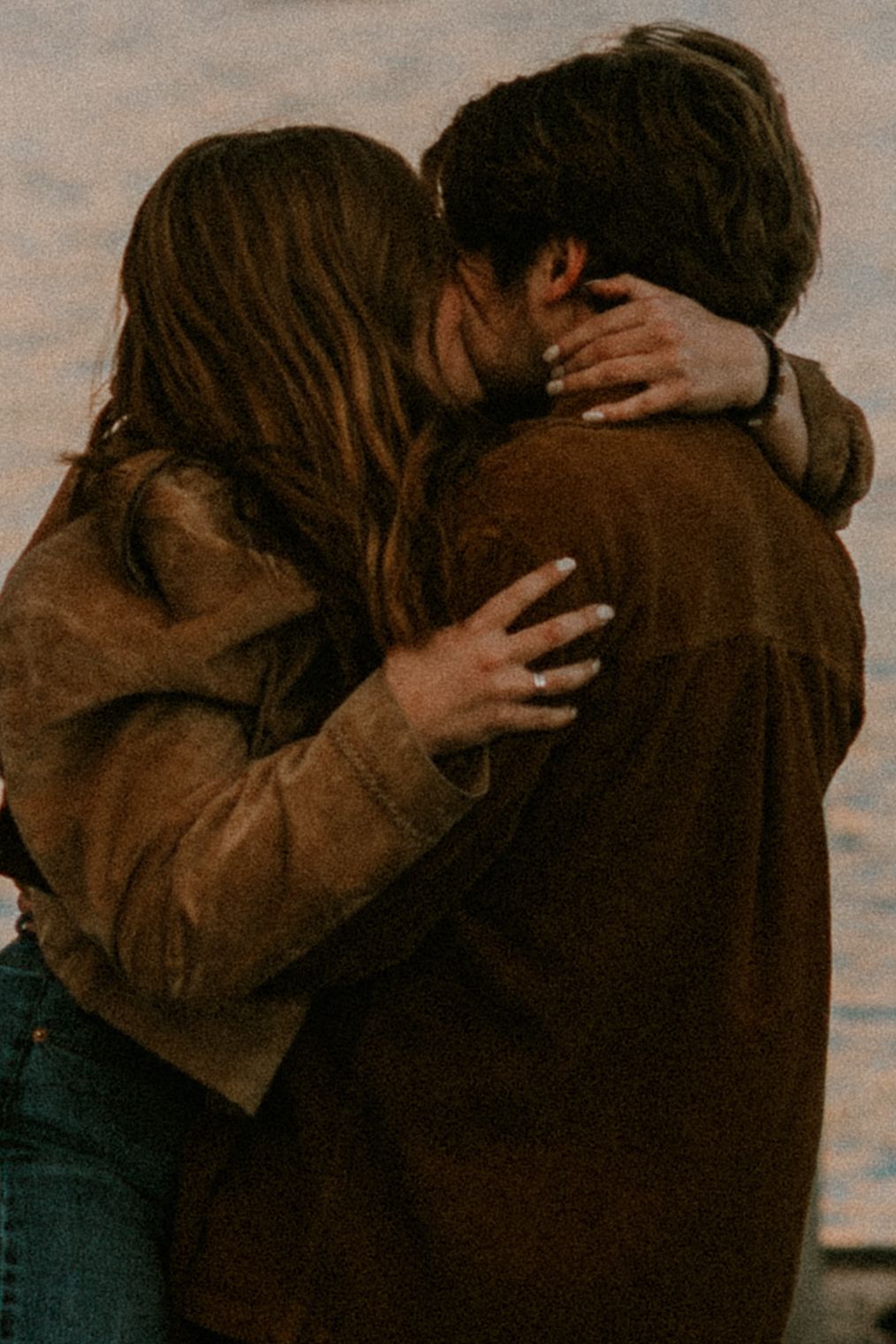
Chase what's true. The rest follows.
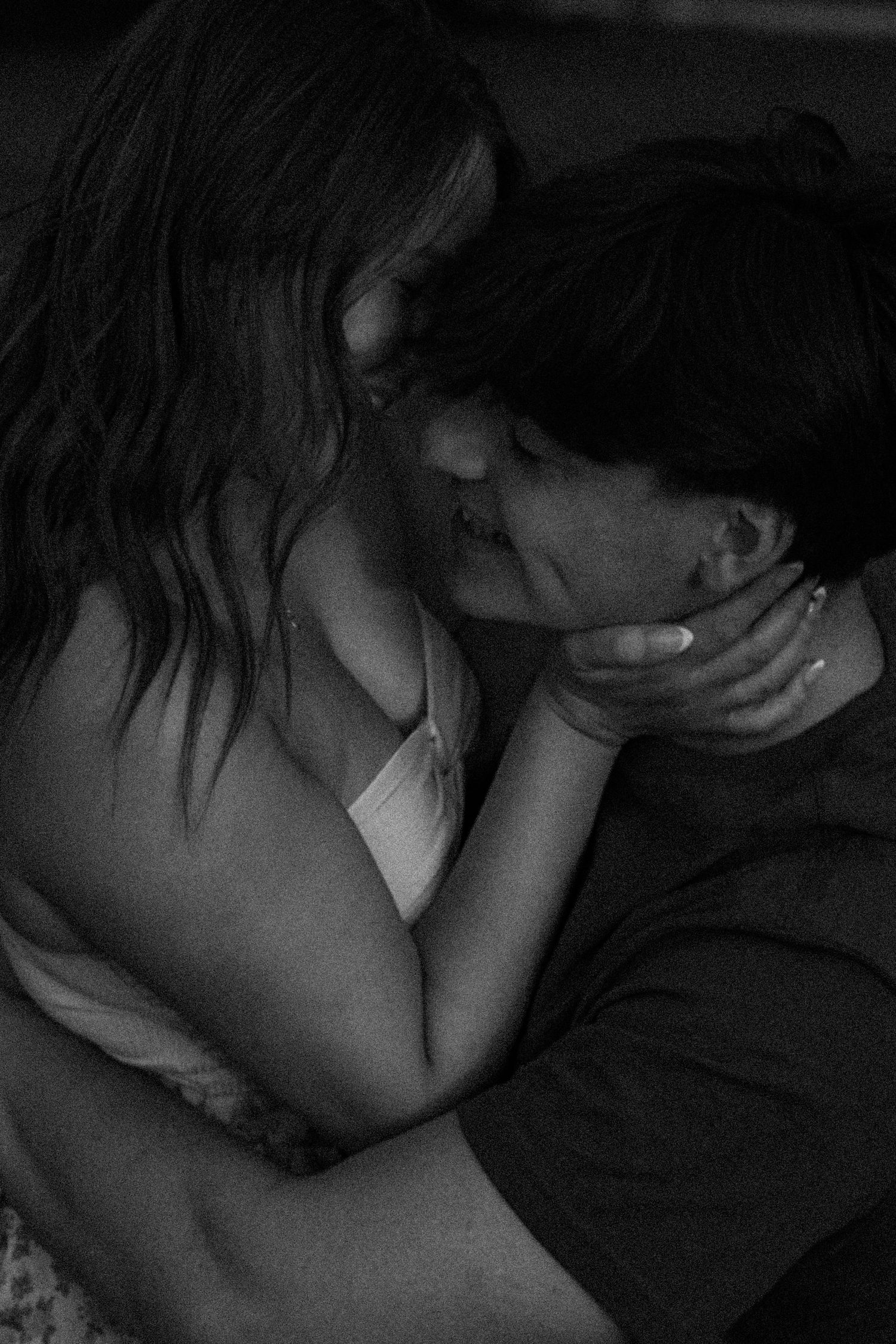
Unhurried. Real. Entirely yours.
This is for you too!
If this is how you want your own session to feel — unhurried, real, and entirely yours — I'd love to tell your story.
I'm based in Spokane and Coeur d'Alene, currently booking engagements, weddings, and connection sessions for 2026 and into 2027. Sessions start at $400.